Publicaciones
Publicaciones 2026
07. Three-Phasic Flow Bioreactor for Obtaining 5-Formyl-2-Furancarboxylic Acid Catalyzed by an Immobilized Laccase Using Copper Sulfate as a Stabilizing Agent
Guajardo N.; Reichel K.; Moncada-Basualto M.
Chempluschem

Resumen
The effect of CuSO4 on the stability of an immobilized laccase during the oxidation of HMF to FFCA was determined in a batch bioreactor and in a triphasic flow bioreactor. The enzyme was immobilized on a support functionalized with an epoxide and glyoxyl group; the latter achieved the highest immobilization yield by activity (87.5%). In batch oxidation of HMF catalyzed by laccase immobilized on a support with glyoxyl groups reached the highest conversion percentages (100%). In the biocatalyst stability, the addition of 20 mM CuSO4 allowed achieving 50% HMF conversion at the end of the third cycle. In the absence of CuSO4, the biocatalyst was unable to catalyze the reaction. The oxidation in packed-bed flow bioreactor resulted in the production of FFCA only. With CuSO4, the stability of the biocatalyst was maintained for 48 h, with a FFCA yield of 95%. The UM values (0.2–5 cm/min) demonstrated that above an air flow rate of 0.1 mL/min, there are no mass transfer problems affecting the reaction yield. The space-time yield of FFCA (STY FFCA) (1.54 (mM/min)) was higher for the continuous system in the presence of CuSO4. Overall, this system provides a promising and scalable platform for sustainable industrial biocatalysis.

06. Evaluation of functionalized gold nanoparticles stability in a microfluidic device to mimic a biological environment
Arias S.; Arancibia N.; Rial R.; Ruso J.; Kogan M.J.; Hassan N.
Colloids and Surfaces B Biointerfaces
Resumen
The functionalization of gold nanoparticles (NPs) with polyethylene glycol (PEG) and folic acid improves their stability, biocompatibility, and targeting capacity, essential for biomedical applications. However, conventional characterization methods often overlook the influence of dynamic biological environments. In this study, we investigated the stability of spherical and rod-shaped gold nanoparticles (GNSs and GNRs) under both static and dynamic conditions, utilizing a microfluidic device designed to emulate a biological environment. Nanoparticles were characterized in terms of hydrodynamic size, zeta potential, and surface plasmon resonance in three distinct media: Milli-Q water, phosphate-buffered saline (PBS), and RPMI 1640 cell culture medium supplemented with 10 % fetal bovine serum. Our findings reveal that protein-rich media enhance nanoparticle stability through the formation of a protein corona, whereas PBS promotes aggregation, particularly under static conditions. Notably, GNRs exhibited higher protein adsorption and superior colloidal stability under flow conditions compared to GNSs, a behavior attributed to their anisotropic geometry and increased surface interaction dynamics. This study underscores the relevance of testing nanoparticle behavior under physiologically relevant flow conditions, providing valuable information to optimize nanoparticle design for nanomedicine.

05. Wireless Energy Transfer Beamforming Optimization for Intelligent Transmitting Surface
Martínez Rosabal O.; Alcaraz López O.L.; Dala Pegorara Souto V.; Demo Souza R.; Montejo-Sánchez S.; Schober R.; Alves H.
IEEE Transactions on Wireless Communications
Resumen
Radio frequency (RF) wireless energy transfer (WET) is a promising technology for powering the growing ecosystem of Internet of Things (IoT) using power beacons (PBs). Recent research focuses on efficient PB architectures that can support numerous antennas. In this context, PBs equipped with intelligent surfaces present a promising approach, enabling physically large, reconfigurable arrays. Motivated by these advantages, this work aims to minimize the power consumption of a PB equipped with a passive intelligent transmitting surface (ITS) and a collocated digital beamforming-based feeder to charge multiple single-antenna devices. To model the PB’s power consumption accurately, we consider power amplifiers nonlinearities, ITS control power, and feeder-to-ITS air interface losses. The resulting optimization problem is highly nonlinear and nonconvex due to the high-power amplifier (HPA), the received power constraints at the devices, and the unit-modulus constraint imposed by the phase shifter configuration of the ITS. To tackle this issue, we apply successive convex approximation (SCA) to iteratively solve convex subproblems that jointly optimize the digital precoder and phase configuration. Given SCA’s sensitivity to initialization, we propose an algorithm that ensures initialization feasibility while balancing convergence speed and solution quality. We compare the proposed ITS-equipped PB’s power consumption against benchmark architectures featuring digital and hybrid analog-digital beamforming. Results demonstrate that the proposed architecture efficiently scales with the number of RF chains and ITS elements. We also show that nonuniform ITS power distribution influences beamforming and can shift a device between near- and far-field regions, even with a constant aperture.

04. Polyketone-modified Ti3C2Tx composite coatings for enhanced solid lubrication under elevated stress and oxidative environments
Araya-Hermosilla E.; Marqués-Henríquez J.; Araya-Hermosilla R.; Moncada D.; Picchioni F.; Carlotti M.; Pucci A.; Quero F.; Zambrano D.; Rosenkranz A.
Surface and Coatings Technology
Resumen
Improving the tribological performance of components and systems remains crucial to improve the resulting mechanical efficiency, durability, and sustainability. This study reports the development of composite coatings based on multilayer Ti3C2Tx (ML- Ti3C2Tx) and chemically modified polyketone (PKHEDA) for enhanced solid lubrication. In this regard, PKHEDA was synthesized via the Paal-Knorr reaction to improve MXenes’ dispersion as well as coating’s adhesion and chemical stability. Composite coatings with varying MXene-polymer ratios 1:3.3 (COM-1), 1:1.6 (COM-2), and 1:1 (COM-3) wt.-%, were spray-coated onto stainless-steel substrates and characterized using complementary materials characterization and tribo-testing. Our results demonstrate that PKHEDA effectively encapsulates ML- Ti3C2Tx, reducing its oxidation tendency and improving the overall coating integrity under mechanical stress. The tribological performance of the composite coatings was notably enhanced compared to pure Ti3C2Tx coatings and non-coated substrates, thus verifying a stable coefficient of friction and a reduction of the wear rate up to 87 %. The composite with a MXene-to-polymer ratio of 1:1.6 (COM-2) exhibited the best balance of load-bearing capacity, durability, and chemical resilience. These findings highlight the synergistic potential of ML-Ti3C2Tx/polyketone composites to develop high-performance, sustainable coatings for demanding tribological environments.

03. Quinolinyl-appended chalcones as promising antiproliferative and trypanocidal agents: Synthesis, biological profiling, and further transformation into novel benzo[f]pyrazolo[5,1-a][2,7]naphthyridine and quinoline-pyrido[2,3-d]pyrimidin-2,4-dione hybrids
Rodríguez D.; Gómez E.; Moncada-Basualto M.; Rocha-Valderrama E.; Stashenko E.; Cobo J.; Palma A.
Bioorganic Chemistry
Resumen
An efficient synthetic methodology has been developed for the transformation of readily available quinolinyl-chalcones 2 and their 3-acetylquinoline 1 precursors into novel benzo[ f ]pyrazolo[5,1– a ][2,7]naphthyridine 3 and quinoline-pyrido[2,3- d ]pyrimidin-2,4-dione 4 hybrids, respectively, via sequential Claisen-Schmidt condensation, Michael addition, and intramolecular cyclocondensation. This approach successfully incorporated pyrazole, naphthyridine, and pyrido[2,3- d ]pyrimidine motifs into the target hybrid scaffolds 3 and 4 . Biological evaluation revealed that quinolinyl-chalcones 2 displayed a favorable balance between potency and cytotoxicity, with 2g identified as the most promising lead based on its submicromolar activity in colon, leukemia, and breast cell lines and low intrinsic cytotoxicity. In contrast, hybrids 3 and 4 were inactive in both antitumor and antichagasic assays, indicating that these hybridization approaches are not suitable for further development. Mechanistic studies revealed that quinolinyl-chalcone 2a was the most active trypanocidal agent, acting through oxidative stress induction, thereby highlighting it as a promising scaffold for the design of redox-active antichagasic drug candidates.

02. Spectroscopic and nonlinear optical investigations of nitroisoxazoles: host–guest interactions with β-cyclodextrin and DFT-supported stability analysis
C. Rojas-Peña, E. Polo-Cuadrado, D. Villaman, A. Liempi, M. Zúñiga-Bustos, F. Martínez-Gómez, J. Saavedra-Olavarría, E.G. Pérez, J.D. Maya, C. Olea-Azar, M. Moncada-Basualto
Spectrochimica Acta Part A: Molecular and Biomolecular Spectroscopy
Resumen
Six vinyl-functionalized nitroisoxazole derivatives (A1–A6) were synthesized and structurally characterized, including the first report of compound A6. Their inclusion complexation with β-cyclodextrin (β-CD) was investigated using UV–Vis spectroscopy, 1H NMR (including T₁ and T₂ relaxation times), and thermodynamic analyses. Complex formation was confirmed using Job’s and Benesi–Hildebrand methods, with spontaneous binding observed across the series (ΔG: −3.73 –4.01 kcal/mol). A3 (piperidine) and A2 (pyrrolidine) exhibited the highest affinities, which were predominantly driven by entropic and enthalpic contributions, respectively. NMR data supported the axial insertion of the isoxazole moiety through the wider rim of β-CD in all cases. The electronic and nonlinear optical (NLO) properties of the free compounds were evaluated via DFT (M06-2×/6–311++G(d,p)), revealing that heterocyclic substituents modulate electron affinity and electrophilicity. All the derivatives displayed promising NLO responses, highlighting their potential for optoelectronic material design. The cytotoxicity assays in Vero cells showed low toxicity at 400 μM for all compounds, which further decreased upon β-CD encapsulation. These findings demonstrated that β-CD complexation can effectively modulate the physicochemical, optical, electronic, and biological properties of nitroisoxazoles, supporting their application in supramolecular systems and functional optical materials.

01. Accurate determination of the band gap energy of non-translucent semiconductor materials through the Tauc method: Theoretical framework, limitations, technical hints, and automated algorithms
Escobedo-Morales A.; Pedraza-Chan M.S.; Ruiz-López I.I.; Anota E.C.; Salazar-Villanueva M.; Cortés-Arriagada D.
Next Materials
Resumen
The Tauc method remains a widely used procedure for determining the band gap energy (Eg) of semiconductor materials. However, analysts should be aware of its limitations and primary sources of uncertainty. In addition, misconceptions and the use of alternative graphical methods without physical foundations can lead analysts to obtain meaningless results. This study addresses the basic theory, technical aspects, challenges, and computational achievements related to the Tauc method. Its reliability was studied in determining the Eg of pristine and mixed oxides. The Eg of pure samples was determined consistently (ZnO: 3.25 ± 0.0 eV; CdO: 2.08 ± 0.02 eV), whereas underestimated values were found for mixed samples (ΔEg ≤ 0.07 eV). The possible origin of this effect is discussed. It is shown that the accuracy of the conventional Tauc method can be improved by considering a baseline function. A new automated Tauc algorithm based on the baseline approach is proposed. It demonstrates high accuracy (≤0.05 eV) and speed (0.04 s per spectrum), being able to analyze spectra with multiple absorption edges ∼0.8 eV apart. Although this study focuses on non-translucent samples, such as powders and opaque coatings, the central concepts and procedures can be adapted to analyze other types of samples.

Publicaciones 2025
67. PLGA Nanoencapsulation Enhances Immunogenicity of Heat-Shocked Melanoma Tumor Cell Lysates
Matheu K.C.; Araya B.C.; Diaz F.T.; Hassan N.; Salazar-Onfray F.; Tittarelli A.
Cells (2025)

66. Electrochemical aptasensor based on carbonized eggshell membranes for carbendazim monitoring in aquatic systems
Venegas C.J.; Marin D.; Miralles-Cuevas S.; Tamayo F.; Rodríguez L.; Sierra-Rosales P.
Microchemical Journal (2025)

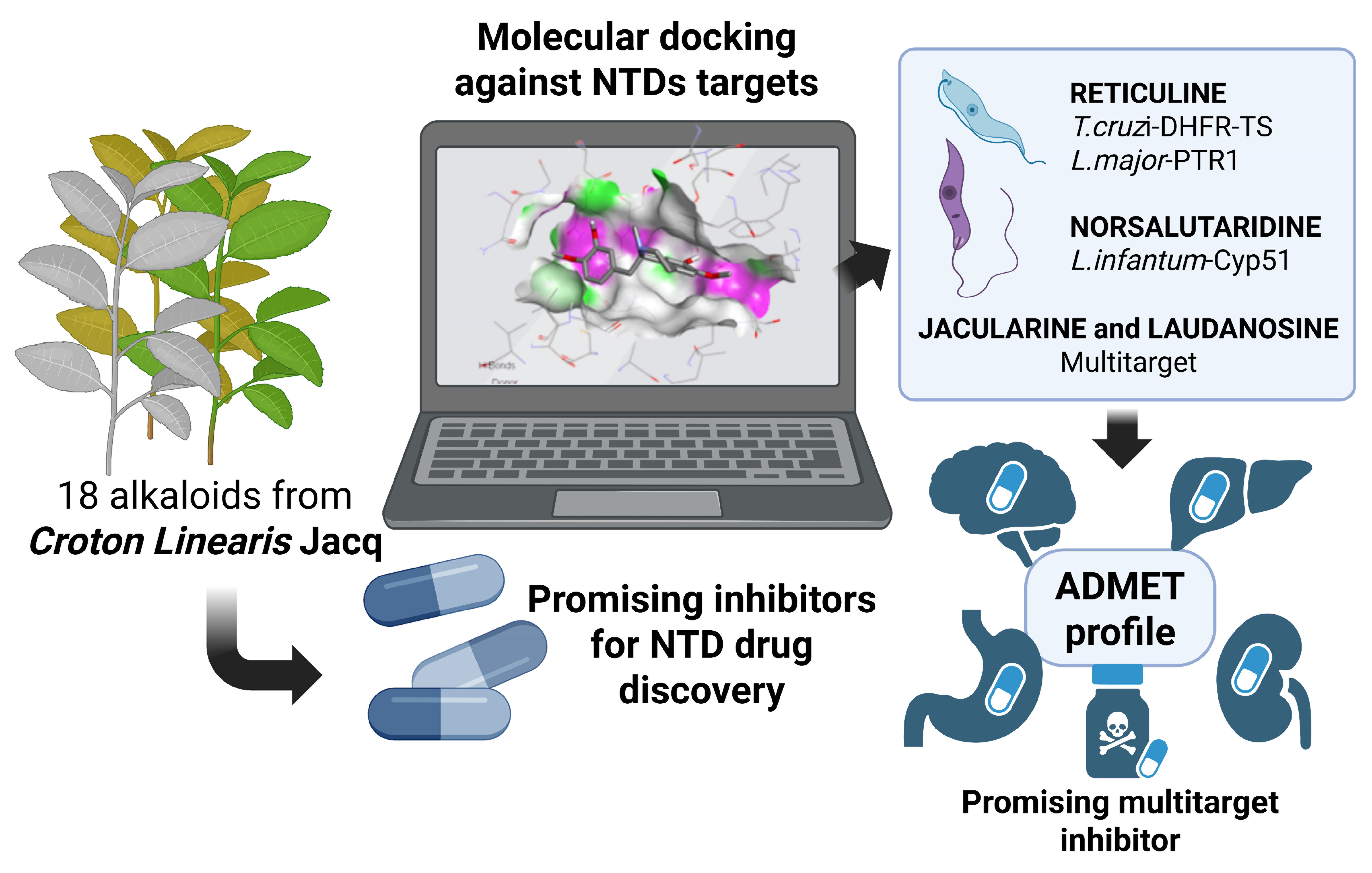
65. Protozoan Neglected Tropical Diseases (NTDs) Target Inhibition of Alkaloids from Croton linearis Jacq Leaves: A Molecular Docking and ADMET Approach
Rojas-Vargas J.A.; García-Díaz J.; Escalona-Arranz J.C.; Chlebek J.; Monzote L.; Setzer W.N.; Castillo-Garit J.A.
Pharmaceuticals (2025)
DOI: 10.3390/ph18111715
64. Efficient degradation of antibiotics mixture in a solar photoelectro-Fenton system using CuFe2O4@GO@MIL-100(Fe): Boosting efficiency via enhanced charge separation
Gamboa-Savoy, F; Onfray, C; Correa-Puerta, J; Pabba, DP; Hassan, N; Thiam, A
Applied Catalysis O: Open (2025)

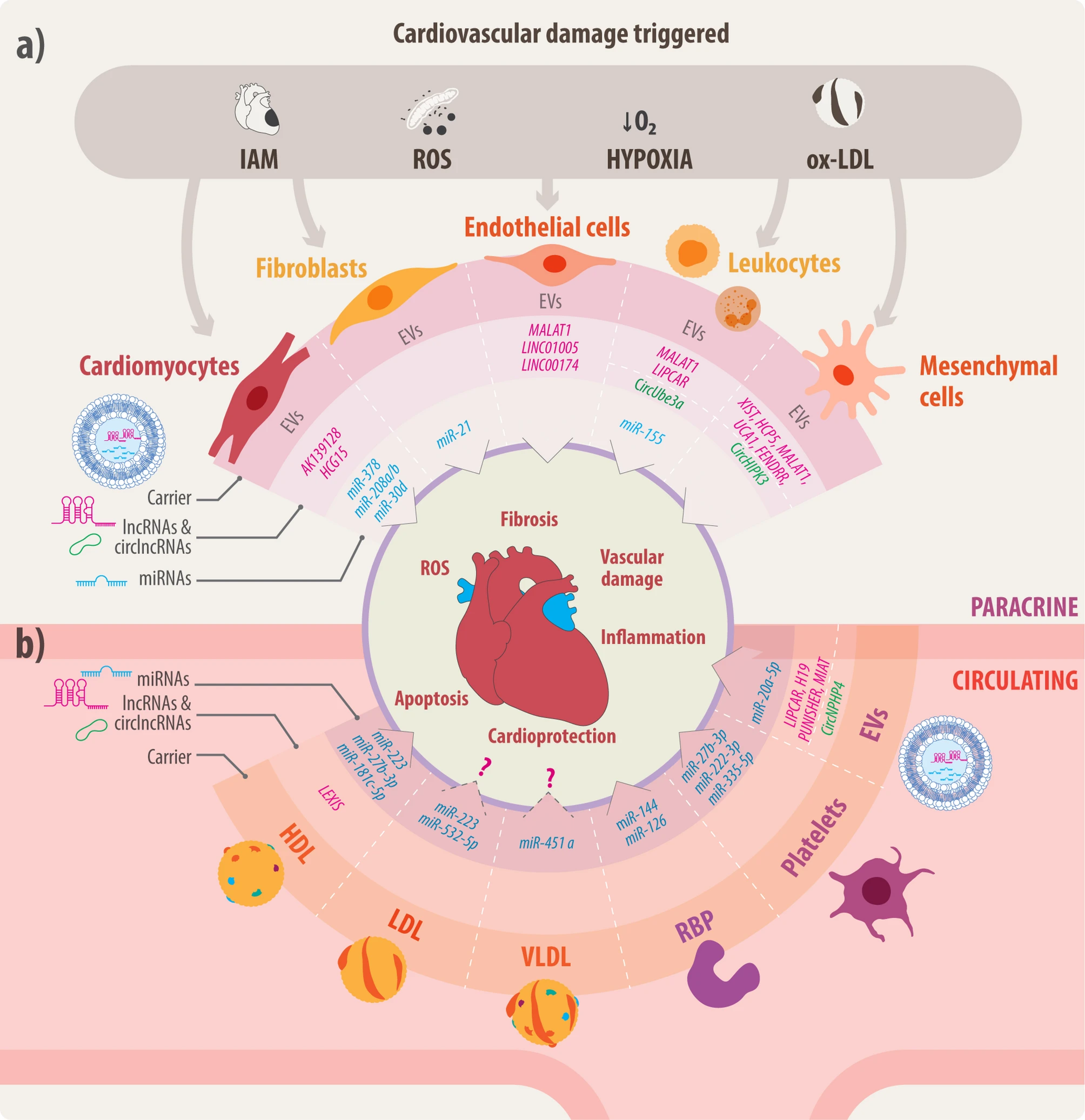
63. The multifaceted roles of non-coding RNAs in cell-cell communication in cardiovascular health and disease
Jimenez-Gallegos D.; Sigcho F.; Vicencio E.; Arias-Carrasco R.; Lavandero S.; Parra V.; Maracaja-Coutinho V.
Cell and Bioscience (2025)
62. Attenuation of blood-brain barrier dysfunction by functionalized gold nanoparticles against amyloid-β peptide in an Alzheimer’s disease-on-a-chip model
Arellano A.; Palma-Florez S.; Cabrera P.; Cortés-Adasme E.; Bolaños K.; Celis F.; Araya-Vergara A.J.; Pérez M.; Crespo A.; Matus M.H.; Araya E.; Aldunate R.; Kogan M.J.; Samitier J.; Lagunas A.; Mir M.; Hassan N.
Materials Today Bio (2025)

61. Clarification of Copper Sulfide Precipitates by Polymeric Microfiltration Membranes
Quilaqueo M.; Barraza N.; Barros L.; Pérez K.; Ruby-Figueroa R.; Troncoso E.; Estay H.
Processes (2025)
DOI: 10.3390/pr13103292
60. Wireless Energy Transfer Beamforming Optimization for Intelligent Transmitting Surface
Rosabal, O.M.; López, O.A.; Souto, V.D.P.; Souza, R.D.; Montejo Sánchez, S.; Schober, R.; Alves, H.
IEEE Transactions on Wireless Communications (2025)
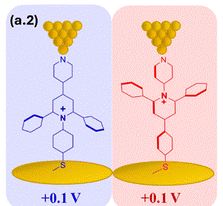
59. Molecular switches and real-time ion sensing in pyridinium circuits via a single-molecule STM-break junction
A.M. Méndez-Torres, R. Oñate, A. Pizarro, D.S. Monje, N. Montenegro-Pohlhammer, N. Darwish, D. Cortés-Arriagada, G. Cardenas-Jiron, I.P. Hormazabal.
Nanoscale Horizons (2025)
DOI: 10.1039/D5NH00422E
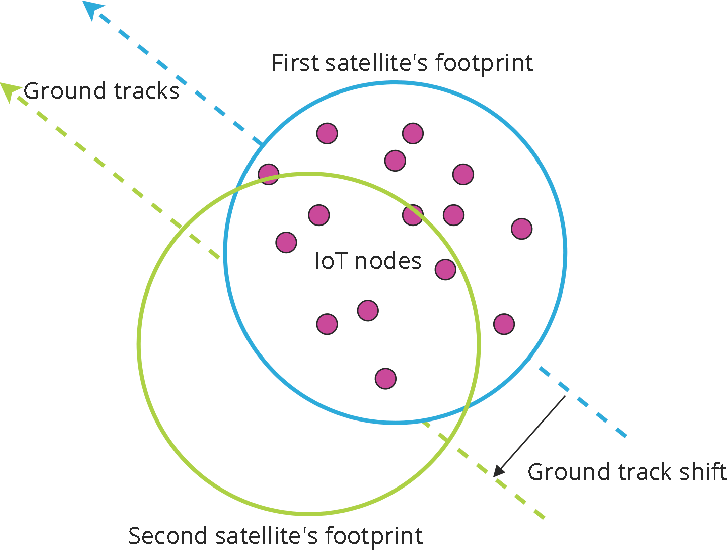
58. Network Size Estimation in DtS-IoT: A LoRaWAN Approach for Satellite Constellations
Ilabaca, P., Maldonado, D., Fraire, J. A., Montejo-Sánchez, S., & Céspedes, S
ICC 2025-IEEE International Conference on Communications(2025)
57. Engineering of ICG-doxorubicin-loaded alginate-chitosan nanoparticles for gynecological cancer chemo-phototherapy
García-Mar J.; Abelenda O.; Luna M.; Lozano-Pérez E.; Costa-Santos A.; López-Mata M.; Cambón A.; Taboada P.; Hassan N.; Topete A.; Juarez J.
International Journal of Biological Macromolecules (2025)

56. Closeness Centrality-Based Scheduling for IoT Transmissions in LEO Satellite Networks
Tondo F.A.; Sanchez S.M.; Souza R.D.
1st IEEE Latin American Conference on Internet of Things, LCIoT 2025 – Proceedings (2025)

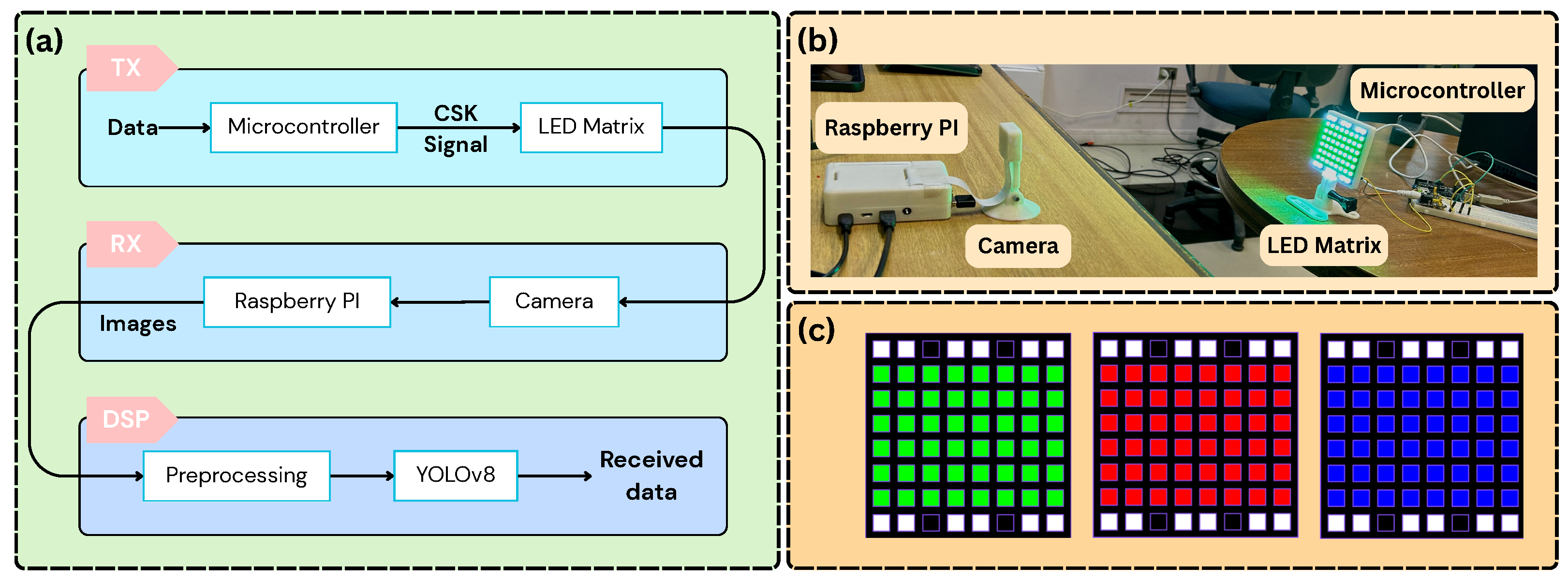
55. High-Accuracy Deep Learning-Based Detection and Classification Model in Color-Shift Keying Optical Camera Communication Systems
Vera F.V.V.; Muñoz L.; Pérez F.; Alvarez L.B.; Montejo-Sánchez S.; Icaza V.M.; Rodríguez-López L.; Saavedra G.
Sensors (2025)
DOI: 10.3390/s25175435
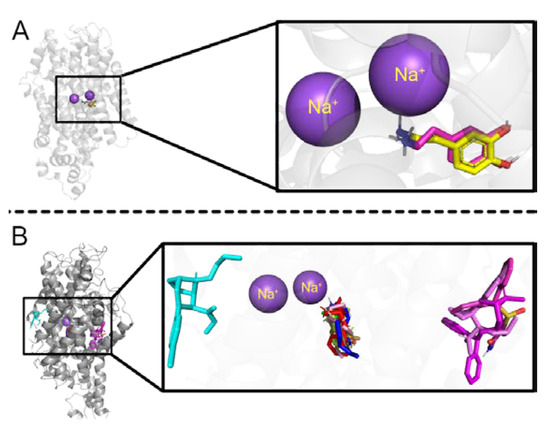
54. Exploring a peripheral PIP2-binding site and its role in the alternative regulation of the TRP channel superfamily
Espinoza-Arcos L.G.; González-Avendaño M.; Zuñiga-Bustos M.; Zamora R.A.; Vergara-Jaque A.; Poblete H.
The Journal of general physiology (2025)

53. Quality regulations in Higher Education in Chile and its contribution to quality assurance and improvement in the experience of a state university
Koch D.; López D.A.; Troncoso E.
Ensaio (2025)

52. New derivatives of 6-nitrocoumarin-3-thiosemicarbazone exhibit improved antiparasitic activity in the placenta against Trypanosoma cruzi and Toxoplasma gondii
Rocha-Valderrama E.; Rostán S.; Fernández M.; Liempi A.; Castillo C.; Mahler G.; Galarza-Jarrin A.; Costales J.A.; Pozo-Martínez J.; Olea-Azar C.; Otero L.; Moncada-Basualto M.
Antimicrobial Agents and Chemotherapy (2025)
DOI: 10.1128/aac.00454-25

51. Toward Improving the Scalability of LR-FHSS: Transmission Policies and Performance Analysis
Bez Rocha L.; de Souza Sant’Ana J.M.; Asad Ullah M.; Montejo-Sánchez S.; Luiz Rebelatto J.; Souza R.D.
IEEE Open Journal of the Communications Society (2025)

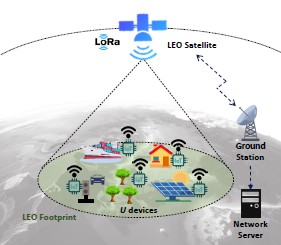
50. Non-Orthogonal Multiple-Access Strategies for Direct-to-Satellite IoT Networks
Tondo F.A.; Sant’ana J.M.D.S.; Montejo-Sánchez S.; López O.L.A.; Céspedes S.; Souza R.D.
IEEE Transactions on Aerospace and Electronic Systems (2025)
49. Combining QSAR and Molecular Docking for the Methodological Design of Novel Radiotracers Targeting Parkinson’s Disease
Castillo-Garit J.A.; Soria-Merino M.; Mena-Ulecia K.; Romero-Otero M.; Pérez-Doñate V.; Torrens F.; Pérez-Giménez F.
Applied Sciences (Switzerland) (2025) 15, 8134
DOI: 10.3390/app15158134
48. Improving scholarship assignment using approximate dynamic programming: A Chilean case study
Redondo S.; Cataldo A.; Marquinez J.T.; Rey P.A.; Sauré A.
Socio-Economic Planning Sciences (2025) 102, 102296

47. LiOH Production and Mg Removal from Li-Chloride Brines and Waste: A Membrane-Integrated Approach for Next-Generation Circular Hydrometallurgy
Estay H.; Troncoso E.
Journal of Sustainable Metallurgy (2025)
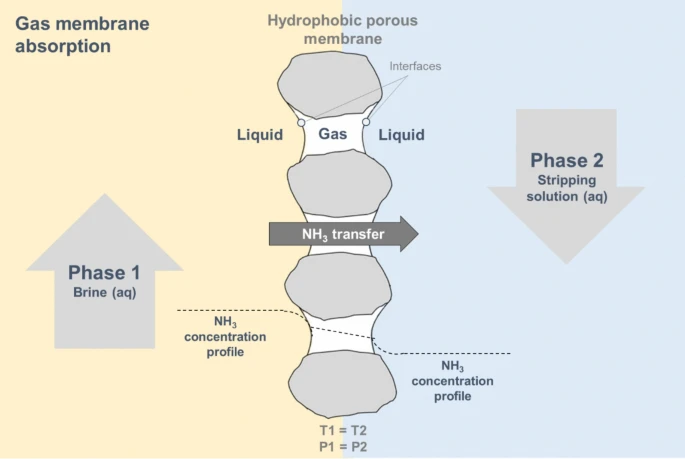
46. Sustainable paper-based composite with beta-cyclodextrin and metallic nanoparticles for efficient nitroaromatic compound removal from water
Sandoval S.S.; Ortiz T.; Olivares F.; Araya-Hermosilla R.; Jara P.; Silva N.
Carbohydrate Polymers (2025)

45. Interactions of β-lactam antibiotics with bovine serum albumin: An experimental and convolutional multi-conformational model
González-Durruthy M.; Rial R.; Arias S.; Hassan N.; Cordeiro M.N.D.S.; Ruso J.M.
Journal of Molecular Liquids (2025) 436, 128200

44. Capture and detection of extracellular vesicles derived from human breast cancer cells using a 3D self-assembled nanostructured SiO2 microfluidic chip
Cabeza C.; Rojas F.; Lobos-González L.; Lemaitre D.; Villena J.; Cordero M.L.; Hassan N.; Ortiz R.
Journal of Biological Engineering (2025) 19, 71
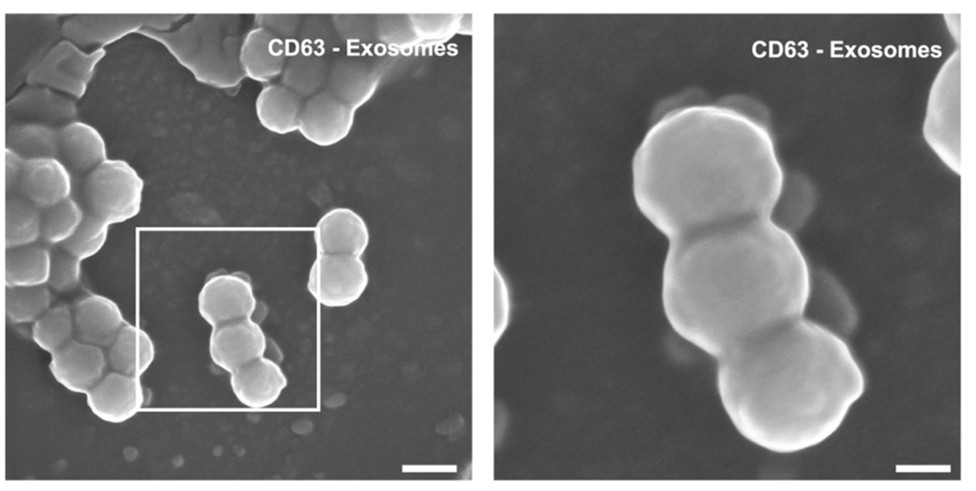
43. Cellulose paper as a sustainable substrate for the bacterial biosynthesis of metal nanoparticles
Norambuena J.; Araya-Hermosilla R.; Sandoval S.S.; Crisóstomo S.; Martínez J.; Silva N.
International Journal of Biological Macromolecules (2025) 321, 146185

42. Cinco transiciones de la gubernamentalidad algorítmica en la composición de la temporalidad médica
Castillo-Sepúlveda, J., Román, J. A., Gilabert, D., & Angel Toledo, A.
Psicoperspectivas (2025) 24, 3457

41. Optimum Hollow Fiber Air-Gap Membrane Distillation Modules: Industrial Scale Design Based on Performance Indicators
Bustamante C.; Zamora D.; Pérez K.; Troncoso E.; Díaz-Quezada S.; Estay H.
Industrial and Engineering Chemistry Research (2025) 64, 14639

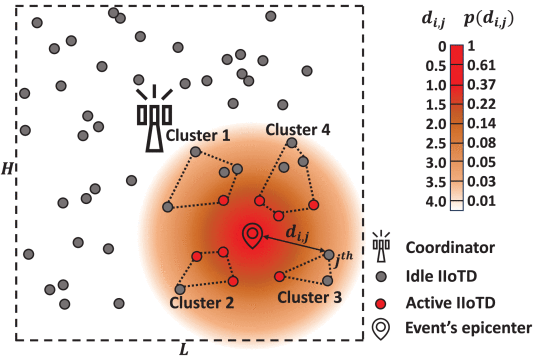
40. Configuring Transmission Thresholds in IIoT Alarm Scenarios for Energy-Efficient Event Reporting
Ruíz-Guirola D.E.; López O.L.A.; Montejo-Sanchez S.
IEEE Open Journal of the Communications Society (2025) 6, 5490
39. Toward energy-efficient wastewater regeneration: A novel UVA-LED photoreactor for sulfamethoxazole removal via Fe3+-EDDS mediated photo-Fenton process
Cabrera-Reina A.; Vidal-Fuentes J.; Sierra-Rosales P.; Miralles-Cuevas S.
Journal of Water Process Engineering (2025) 76, 108153

38. Are connexin hemichannels playing any role in cancer?
Tittarelli A.; Calderón K.; de los Ángeles Esveile M.; Abusleme A.B.; Arbat M.P.; Retamal M.A.
Biochimica et Biophysica Acta – Molecular Cell Research (2025) 1872, 120013

37. Enhancing LEO direct-to-satellite channel modeling with the shadowing effect via K-distribution
Núñez-González, TB; Azurdia-Meza, CA; Ortigueira, R; Montejo-Sánchez, S; Ordenes-Pinto, JA; Diago-Mosquera, ME; Céspedes, S
ICT EXPRESS (2025) 11, 559

36. Graphene functionalized with 2–mercaptobenzimidazole derivatives: Structural and bonding analysis on metal cation adsorption in water
C. Cervantes-Trujillo, D. Cortés-Arriagada, Z. Gómez-Sandoval, J. M. Flores-Álvarez, I. A. Aguayo-Villarreal, C. Karina Rojas-Mayorga, L. Martínez-Venegas, K. Pineda-Urbina.
Computational and Theoretical Chemistry (2025) 1251, 115333

35. Air gap membrane distillation-crystallization process simulation for energy-efficient water recovery and lithium concentration from brines
Pérez K.; Bustamante C.; Zamora D.; Troncoso E.; Díaz-Quezada S.; Estay H.
Separation and Purification Technology (2025) 375, 133823

34. The repertoire of candidate archaeal noncoding RNAs and their association with temperature adaptation
Arias-Carrasco R.; Aliaga-Tobar V.; Abades S.; Maracaja-Coutinho V.
BioSystems (2025) 254, 105519

33. Discovery of Diphenylsilane Compounds as Potential Inhibitors of Zn-Metalloproteinase Thermolysin Using Artificial Neural Networks
Cañizares-Carmenate, Y; Perez-Gimenez, F; Díaz-Amador, R; Torrens, F; Castillo-Garit, JA
Current Topics In Medicinal Chemistry
(2025) 25, In press.

32. Production of Graphite Nanoplatelets via Functionalized Polyketone-Assisted Diels–Alder Chemistry: Evidence of Reduced Layer Thickness and Enhanced Exfoliation Efficiency
Cisternas, R.; Orellana, J.; Silva, N.; Correa-Puerta, J.; Pucci, A.; Bose, R.K.; Picchioni, F.; Araya-Hermosilla, E.; Araya-Hermosilla, R.
Polymers (2025) 17, 1333
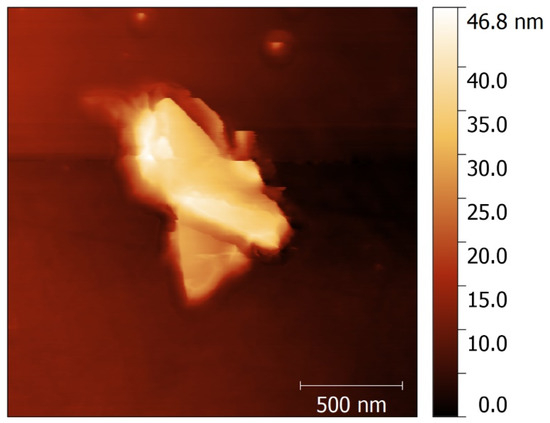
31. Latitudinal variation in chemical composition and biological activities of fucoidans from Macrocystis pyrifera (brown algae): first insights along the Chilean coast
Fabián A. Figueroa, Roberto Abdala-Diáz, Gustavo Cabrera-Barjas, Fernanda Lopez, Mauricio Moncada-Basualto, Sebastián Parra-Magna, Pablo Castro-Varela, Lya Montecinos, Froilán Quintana, Claudia Peréz, José Becerra.
International Journal of Biological Macromolecules (2025) 318, 144978

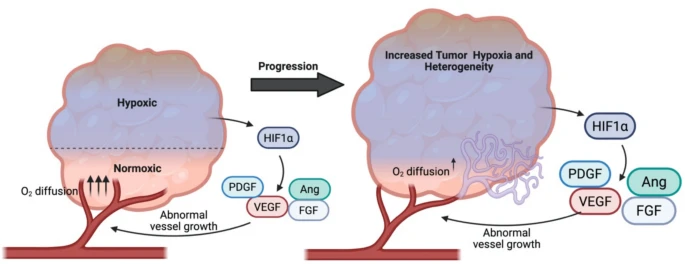
30. Tumor hypoxia shapes natural killer cell anticancer activities
Mauricio A. Retamal, Flavio Salazar-Onfray, Fermín E. González, Andrés Tittarelli.
Journal of Molecular Medicine (2025). In press.
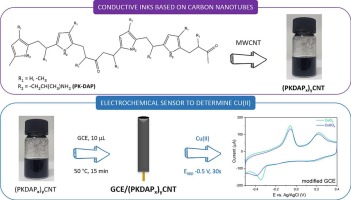
29. Electrochemical nanocomposite sensor based on carbon nanotubes and modified polyketone for rapid detection of copper ions in acidic copper solutions
Paulina Sierra-Rosales, Fernanda Marin, Constanza J. Venegas, Rodrigo Araya-Hermosilla, Francesco Picchioni, Humberto Estay.
Microchemical Journal (2025) 213, 113941
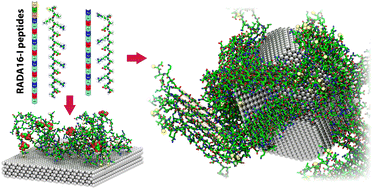
28. Unveiling the potential of RADA16-I peptide-coated silver nanoparticles for biomedical uses: a computational study
Matías Zúñiga-Bustos, Constanza Galaz-Araya, Horacio Poblete
Physical Chemistry Chemical Physics (2025) 27, 1187
DOI: 10.1039/D4CP03275F
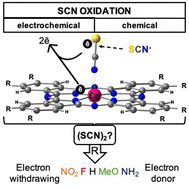
27. Computational exploration of the electrochemical oxidation mechanism of thiocyanate catalyzed by cobalt-phthalocyanines
Sebastián Miranda-Rojas, Néstor Gutiérrez-Sánchez, Carlos Orellana, Kevin Blanco-Esperguez, Sasha Gazzari-Jara, Paulina Sierra-Rosales, Fernando Mendizábal
Physical Chemistry Chemical Physics (2025) 27, 2834
DOI: 10.1039/D4CP04256E
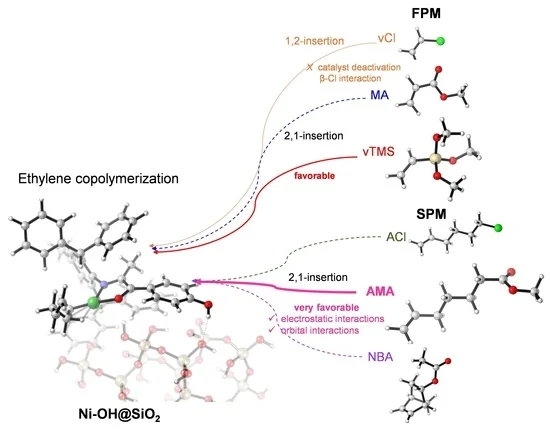
26. Unraveling the Reactivity of SiO2-Supported Nickel Catalyst in Ethylene Copolymerization with Polar Monomers: A Theoretical Study
Daniela E. Ortega, Diego Cortés-Arriagada
Polymers (2025) 17, 1268
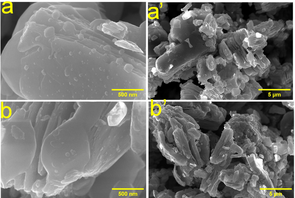
25. Effect of Sonication Approaches on the Silanization and Structural Quality of Multilayer Ti3C2Tx
Esteban Araya-Hermosilla, Álvaro Correa, Dario Zambrano, Eva Tormos-Feliu, E. Carolina Sañudo, Rodrigo Araya-Hermosilla, Adriana Blanco, Francisco Gracia, Daniel Moncada
Advanced Engineering Materials (2025) In press.
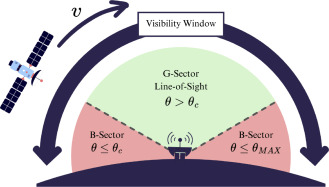
24. Enhancing LEO direct-to-satellite channel modeling with the shadowing effect via K-distribution
Tomás B. Núñez-González, Cesar A. Azurdia-Meza, Raydel Ortigueira, Samuel Montejo-Sánchez, Javier A. Ordenes-Pinto, Melissa E. Diago-Mosquera, Sandra Céspedes
ICT Express (2025) In press.
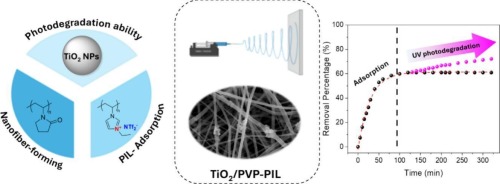
23. Hierarchical polymeric nanocomposite for water remediation: Electrospun nanofibers of a poly (ionic liquid) and TiO2 nanoparticles for adsorption and photocatalytic removal of rhodamine B
Pía Fica, Alexander Córdoba, Oscar Ramírez, Sebastián Castillo, Alejandro Muñoz, Bárbara Vásquez, Javier Valdebenito, Angie C. Forero-Girón, Diego Cortés-Arriagada, César Saldias, Ángel Leiva
Reactive and Functional Polymers (2025) 214, 106316
22. 2D printing of functional wrinkled films by DOD technology: Evaluation of cytocompatibility, antibacterial and virucidal properties against corona virus model
Fernando E. Rodríguez-Umanzor, Matías N. Alarcón-Núñez, Mauricio A. Sarabia-Vallejos, Nicolás A. Cohn-Inostroza, Enrique Martínez-Campos, Raquel Cue-López, Juan Rodríguez-Hernández, Claudio A. Terraza, Carmen M. González-Henríquez
Applied Materials Today (2025) 44, 102777
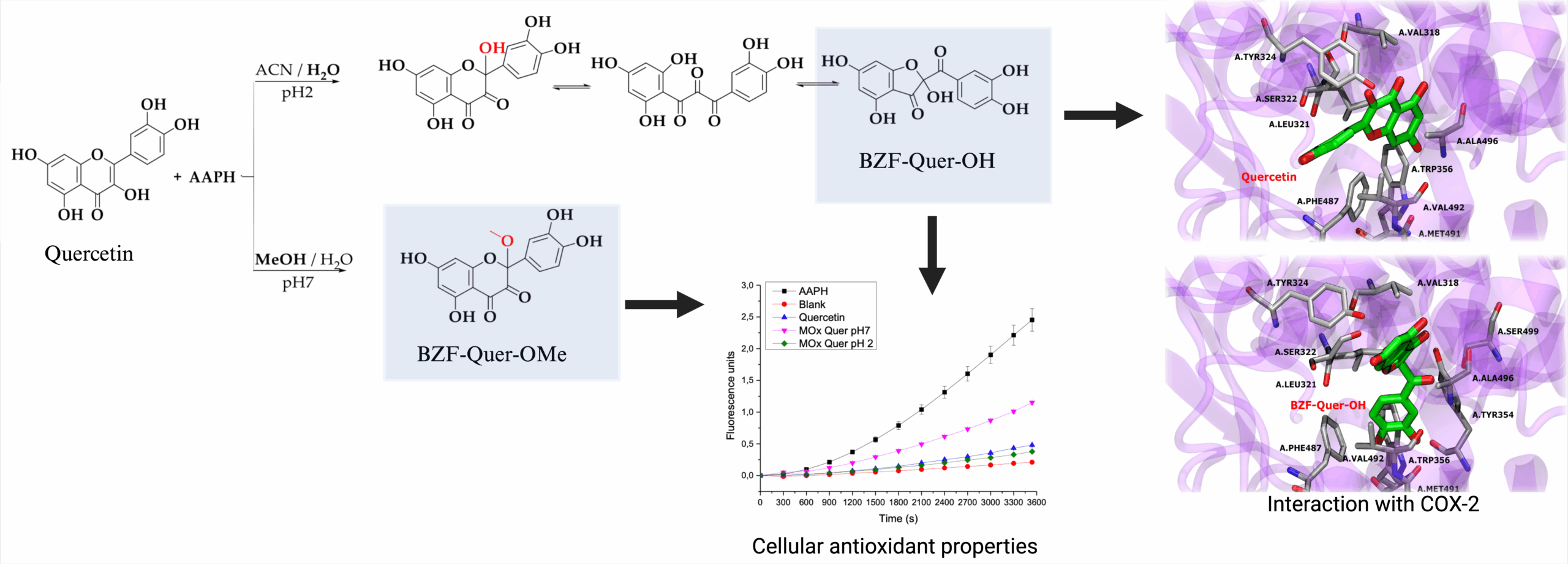
21. Gross Antioxidant Capacity and Anti-Inflammatory Potential of Flavonol Oxidation Products: A Combined Experimental and Theoretical Study
Acosta-Quiroga K.; Rocha-Valderrama E.; Zúñiga-Bustos M.; Mera-Adasme R.; Cabrera-Barjas G.; Olea-Azar C.; Moncada-Basualto M.
Antioxidants (2025), 14, 479
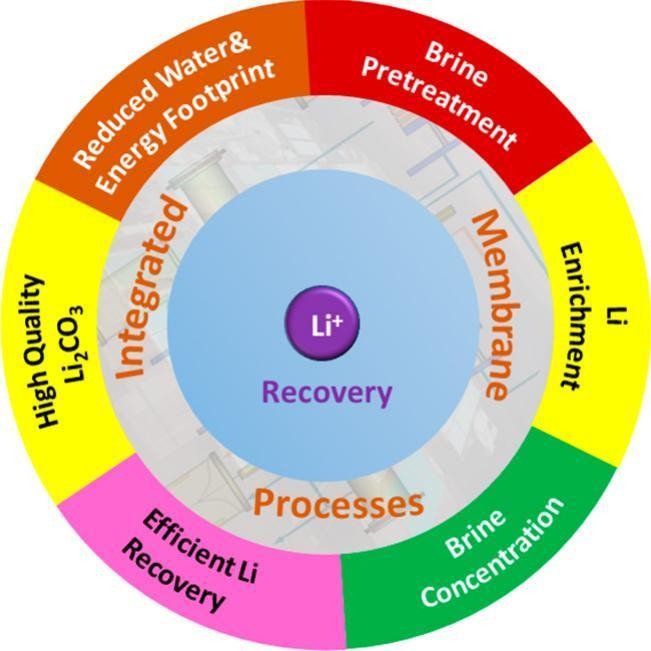
20. Advances in integrated membrane processes for sustainable lithium extraction.
Tufa R.A.; Santoro S.; Flores-Fernández C.; Zegeye R.B.; Fuentealba D.; Aquino M.; Barraza B.; Inzillo B.M.; Nasirov S.; D’Andrea G.; Troncoso E.; Straface S.; Estay H.; Curcio E.
Desalination 610 (2025) 118899.
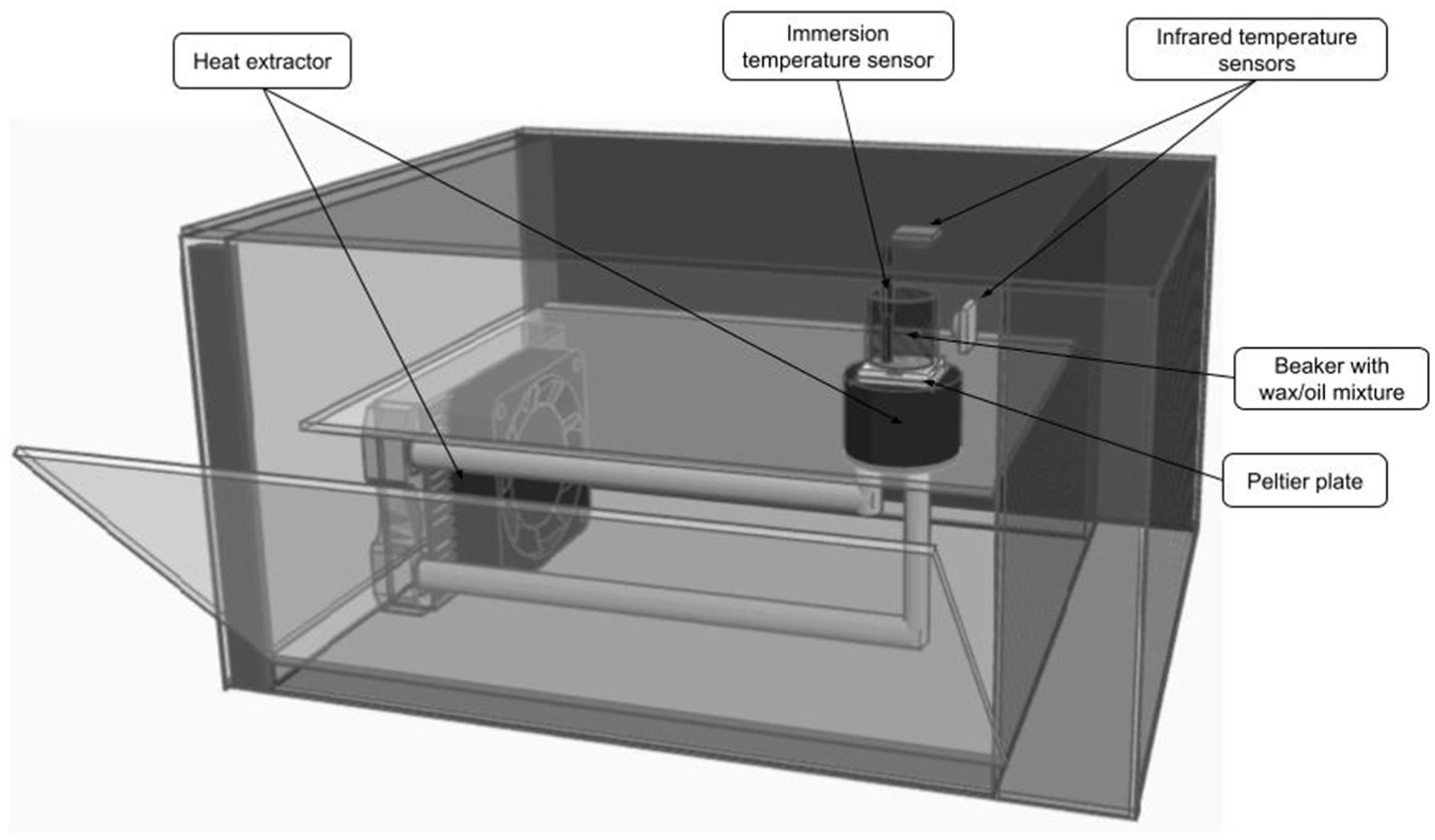
19. Cooling method impact on wax oleogel properties and oxidative stability: A comparative study between controlled conduction and convection cooling mechanism.
Werner-Cárcamo E.R.; Millao S.; Jara A.; Zúñiga R.N.; Rubilar M. Journal of Food Engineering 396 (2025) 112570.
18. Theoretical analysis of Capsicum annuum as natural sensitizer in dye sensitized solar cell using periodic DFT and TD-DFT.
Espinoza-Curilén O.M.; Thompson S.W.; Manidurai P.; Paredes-Gil K.
Physica B: Condensed Matter 707 (2025) 417178.
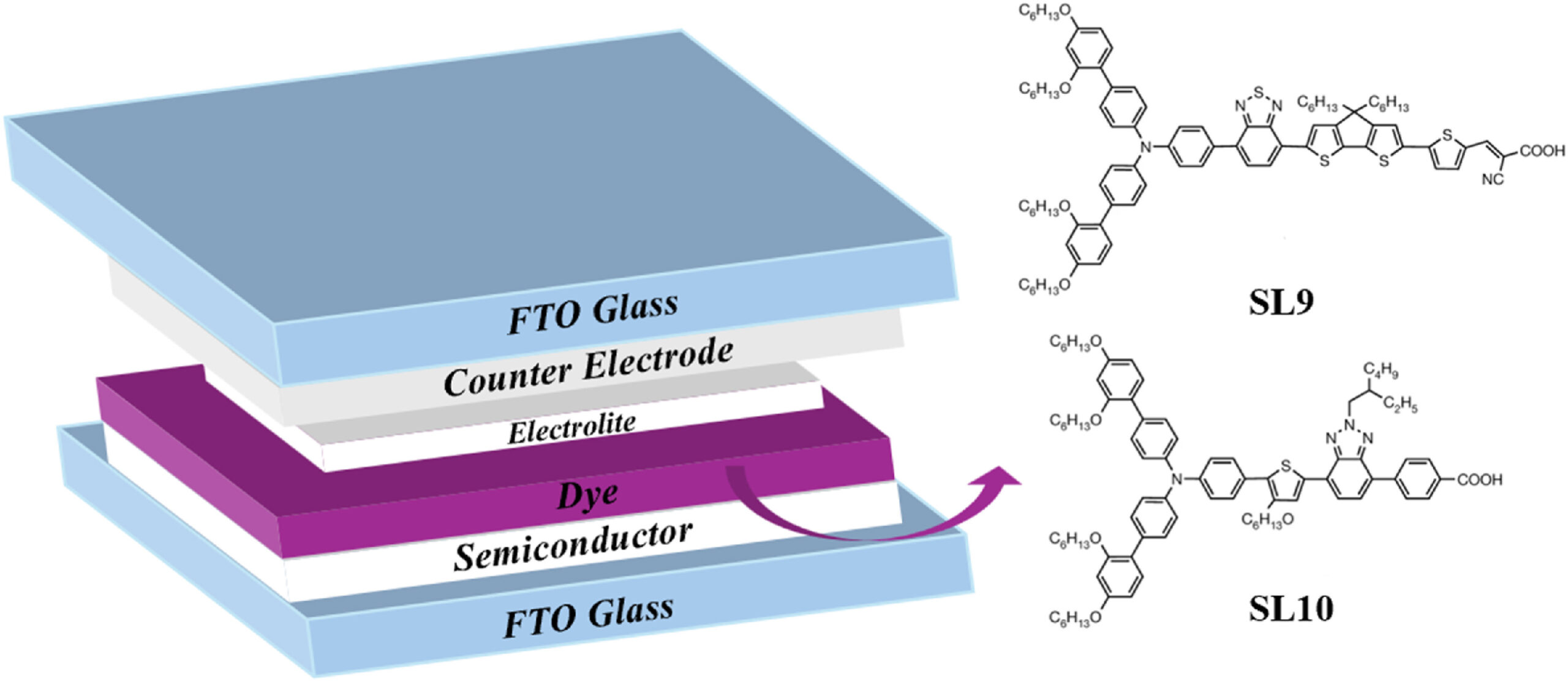
17. Boron-nitrogen fullerenes as electrocatalysts for nitrogen reduction: A computational study of affinity and reaction mechanism.
Gazzari-Jara S.; Cortés-Arriagada D.; Chigo-Anota E.; Miranda-Rojas S.
iScience 28(5) 2025, 112326
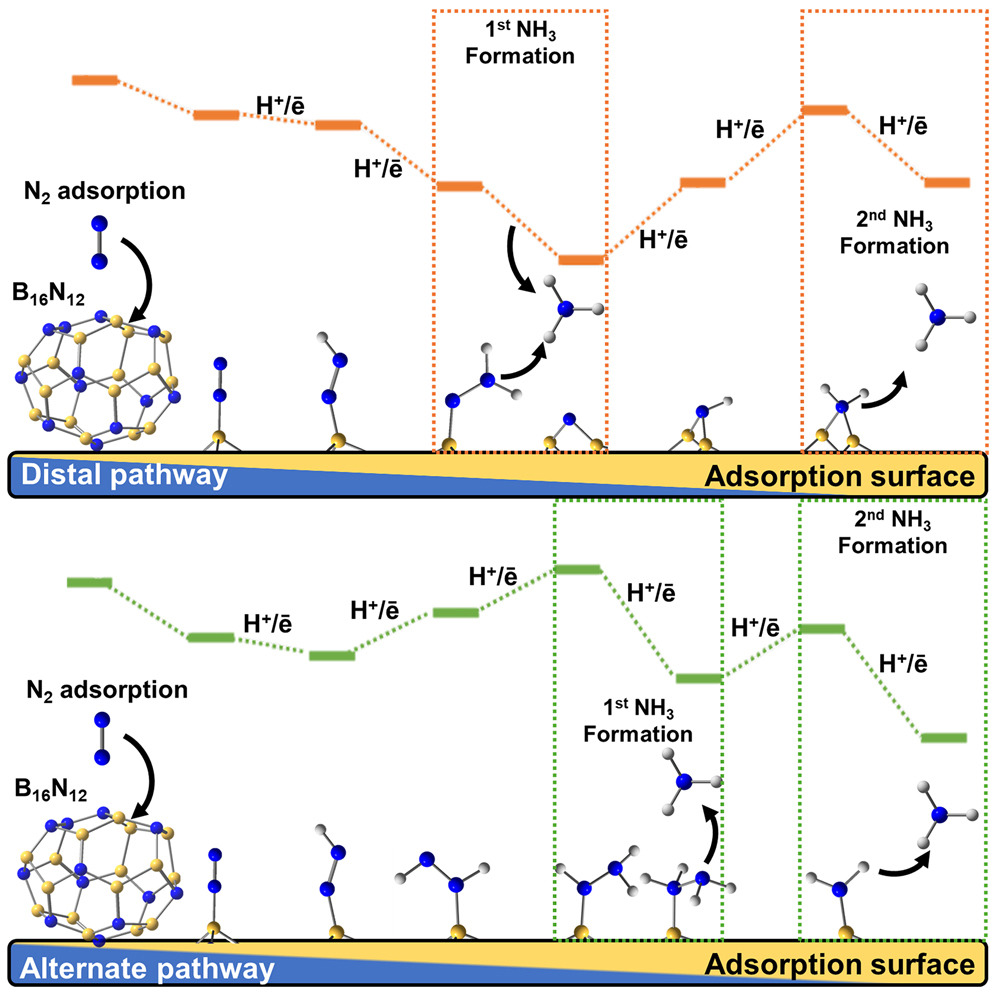
16. Modeling iot traffic patterns: Insights from a statistical analysis of an mtc dataset.
Ruiz-Guirola D.E.; López O.L.A.; Montejo-Sánchez S.
Expert Systems with Applications (2025) 272, 126726
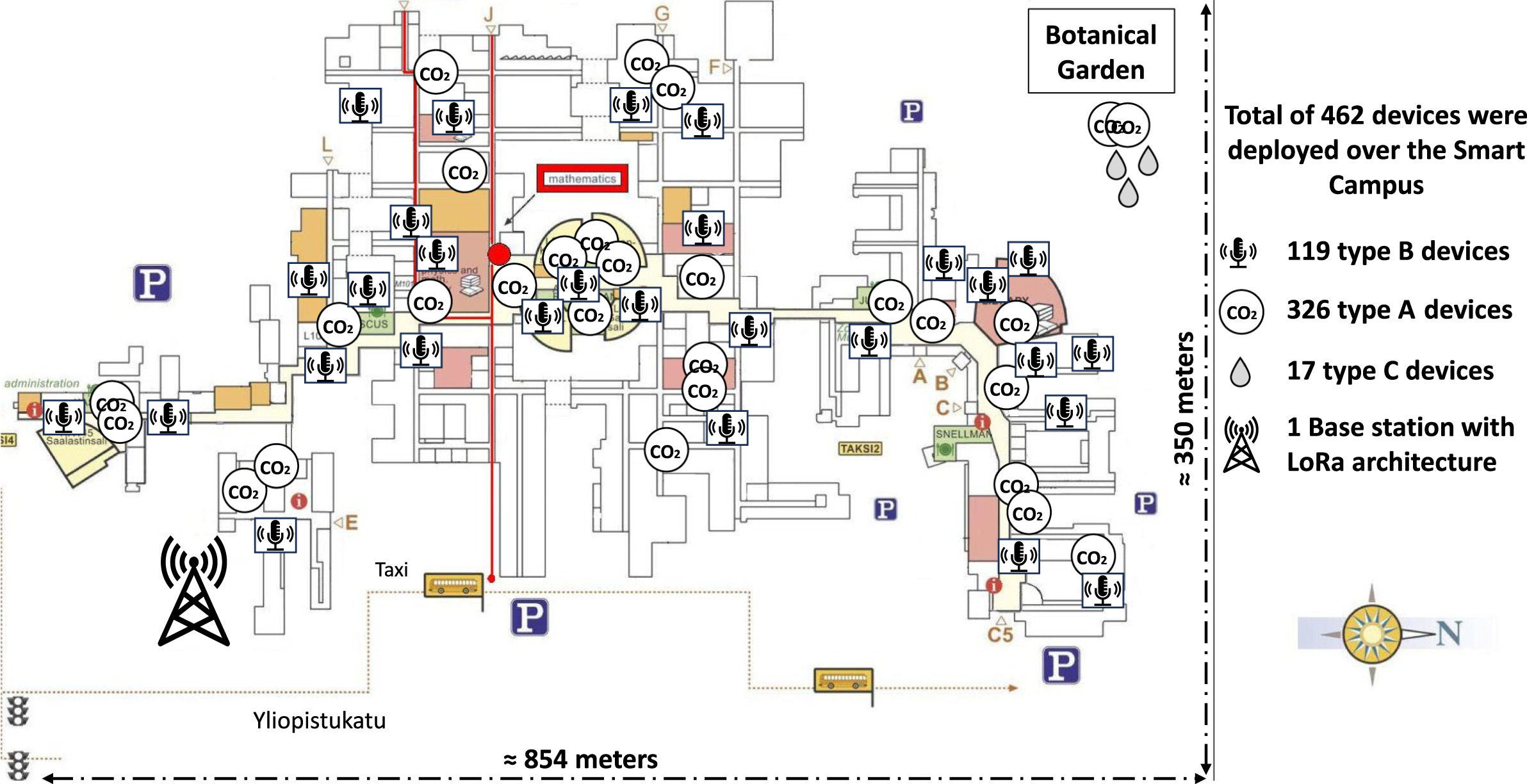
15. Understanding the co-adsorption mechanism between nanoplastics and neonicotinoid insecticides from an atomistic perspective.
García-Hernández E.; Torres F.J.; Cortés-Arriagada D.; Nochebuena J.
Journal of Molecular Modeling (2025) 31:140
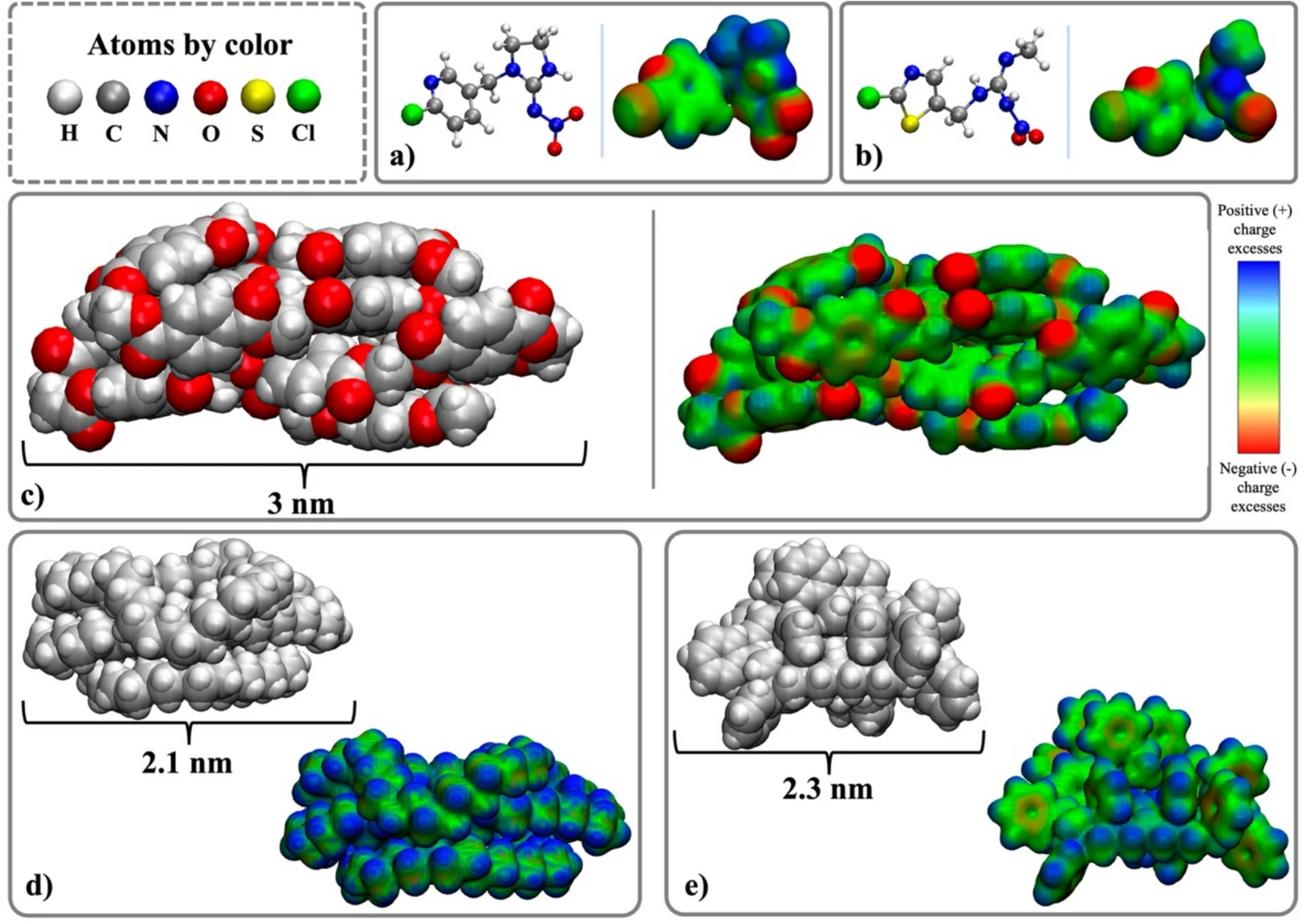
14. Gamifying Science—Novel Strategies for Bringing Microbiology to the Classroom.
del Cerro-Sánchez C.; Amarelle V., Platero R.; Pérez-Pantoja D.; Wicki-Emmenegger D.; Chavarría M.; Durante-Rodríguez G.
Microbial Biotechnology 2025; 18:e70141

13. Unconventional polymerization of thiophene siloxane oligomers. Optoelectronic behavior and computational calculations.
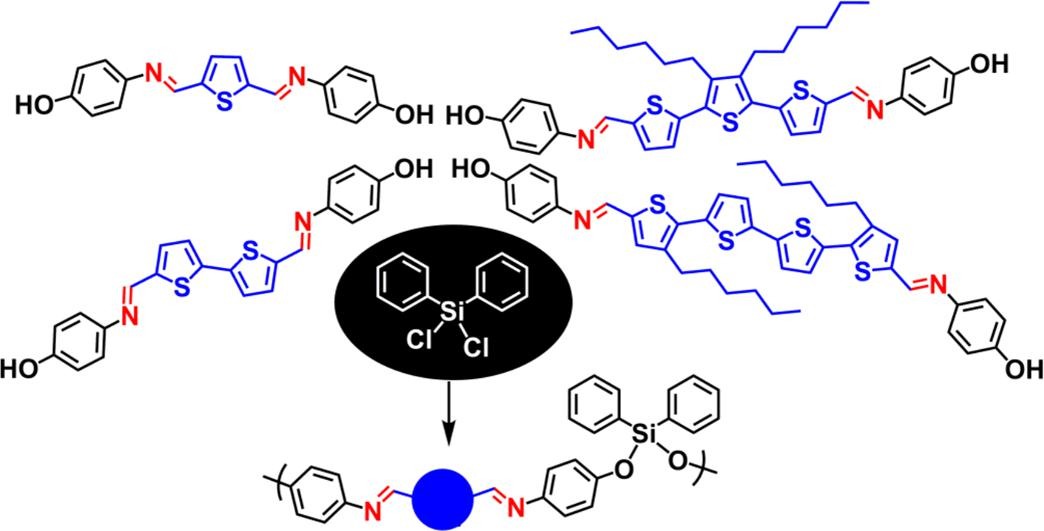
Medina J.; Sobarzo P.A.; Hauyon R.A.; Garcia L.E.; González E.B.; Schott E.; Jessop I.A.; González-Henríquez C.M.; Zarate X.; Saldías C.; Tundidor-Camba A.; Terraza C.A.
European Polymer Journal 228 (2025) 113830
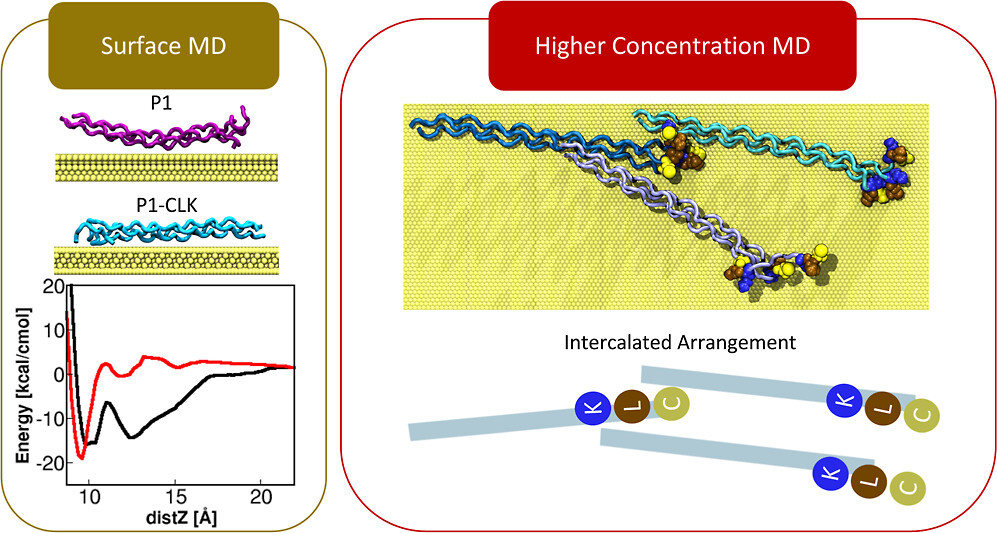
12. Molecular Dynamics Study on the Influence of the CLK Motif on the Structural Stability of Collagen-Like Peptides Adsorbed on Gold Nanosurfaces.
Galaz-Araya C.; Galaz-Davison P.; Cortés-Arriagada, D.; Zamora R.A.; Poblete H.
ACS Omega 2025, 10, 10366−10374
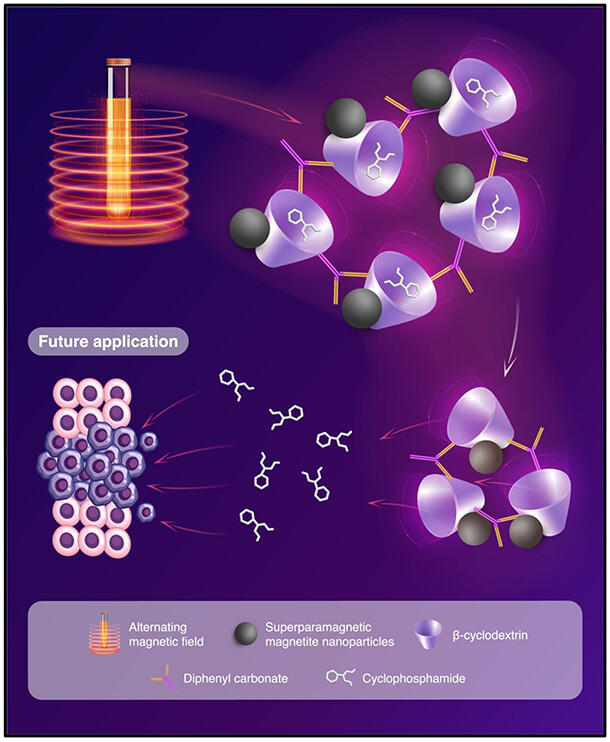
11. Controlled Release of the Anticancer Drug Cyclophosphamide from a Superparamagnetic β-Cyclodextrin Nanosponge by Local Hyperthermia Generated by an Alternating Magnetic Field.
Salazar Sandoval S.; Díaz-Saldívar P.; Araya I.; Celis F.; Cortés-Arriagada D.; Riveros A.; Rojas-Romo C.; Jullian C.; Silva N.; Yutronic N.: Kogan M.J.; Jara P.
ACS Appl. Mater. Interfaces 2025, 17, 9, 13001–13017
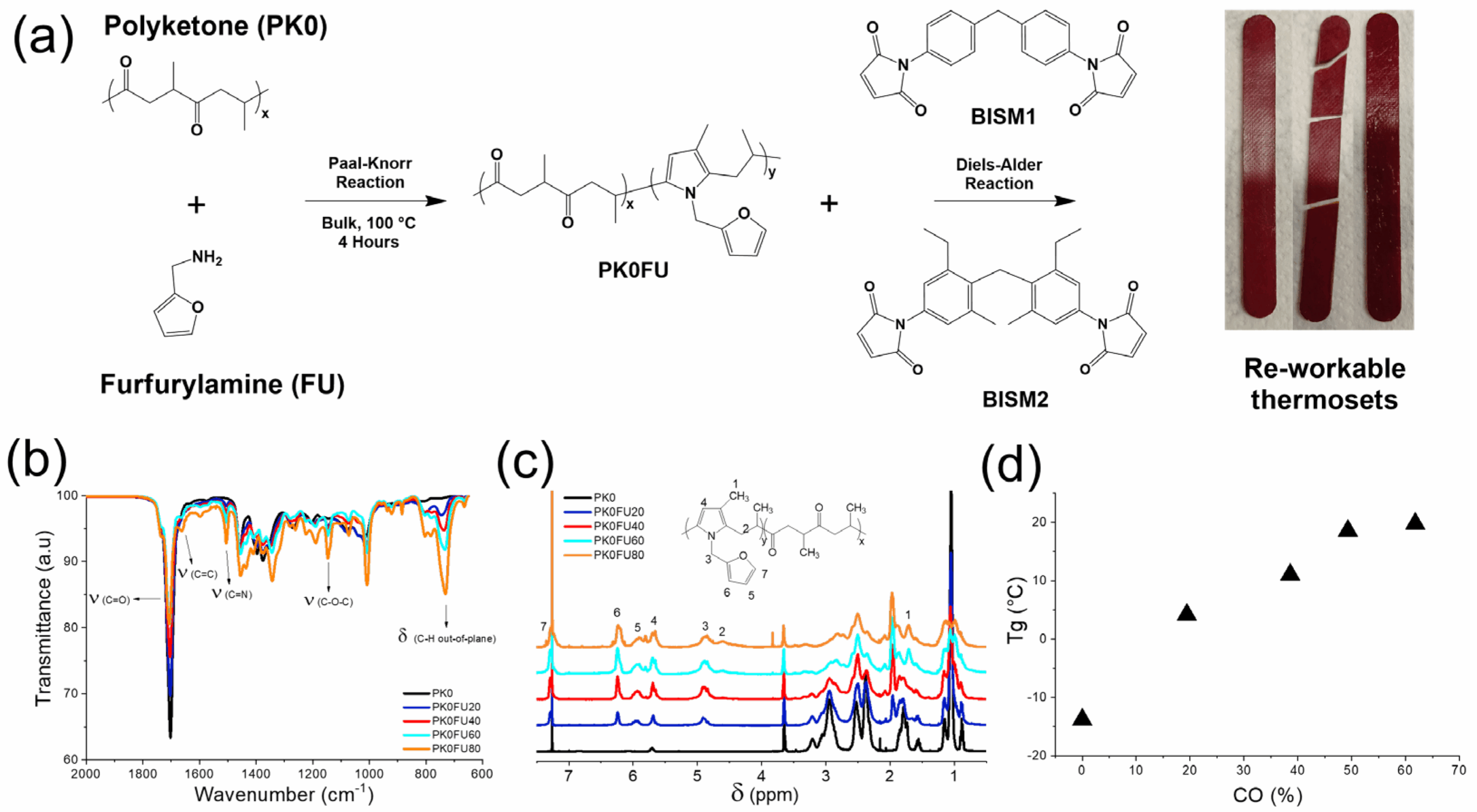
10. Tailoring Thermomechanical, Shape Memory and Self-Healing Properties of Furan-Based Polyketone via Diels-Alder Chemistry with Different Bismaleimide Crosslinkers.
Araya-Hermosilla E.; Carlotti M.; Orozco F.; Lima G.M.R.; Araya-Hermosilla R.; Ortega D.E.; Cortes-Arriagada D.; Picchioni F.; Bose R.K.; Mattoli V.; Pucci A.
Polymers 2025, 17(5), 565
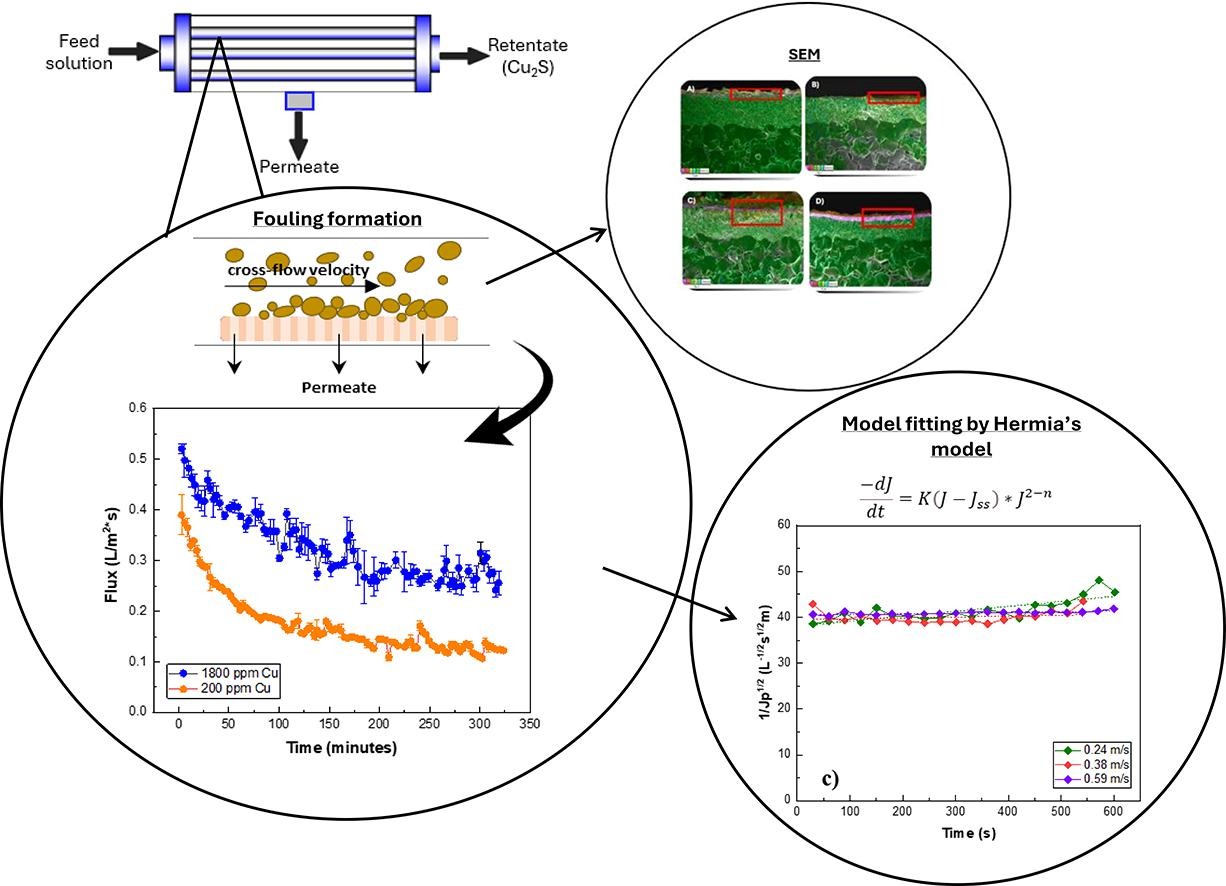
09. Analysis of membrane fouling during microfiltration of copper sulfide precipitates.
Barros L.; Piaggio G.; Quilaqueo M.; Seriche G.; Pérez K.; Barraza B.; Romero J.; Ruby-Figueroa R.; Estay H.
Separation and Purification Technology 354 (2025) 129165
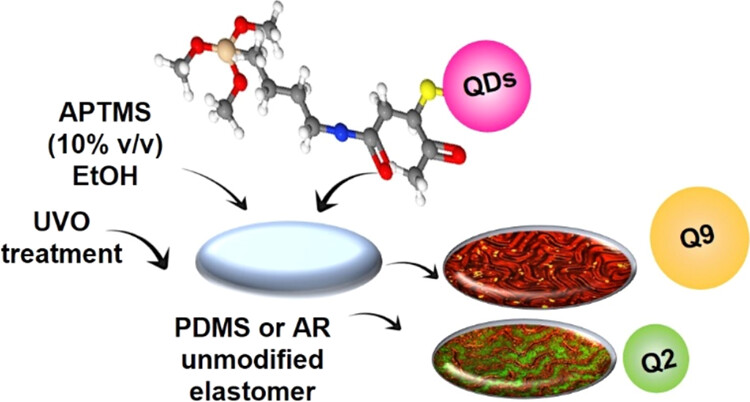
08. Incorporation of Water-Soluble Quantum Dots and Formation of Wrinkled Patterns on Acrylic and Silicone Elastomers.
Guzmán-de la Cerda D.; Jofré-Ulloa P.P.; Benavente E.; González-Henríquez C.; Celis F.; Rodríguez-Hernández J.; Martinez-Campos E.; Vera-Rojas G.; Melo-Sanguinetti J.P.
ACS Omega 2025 10 (4), 3322-3331
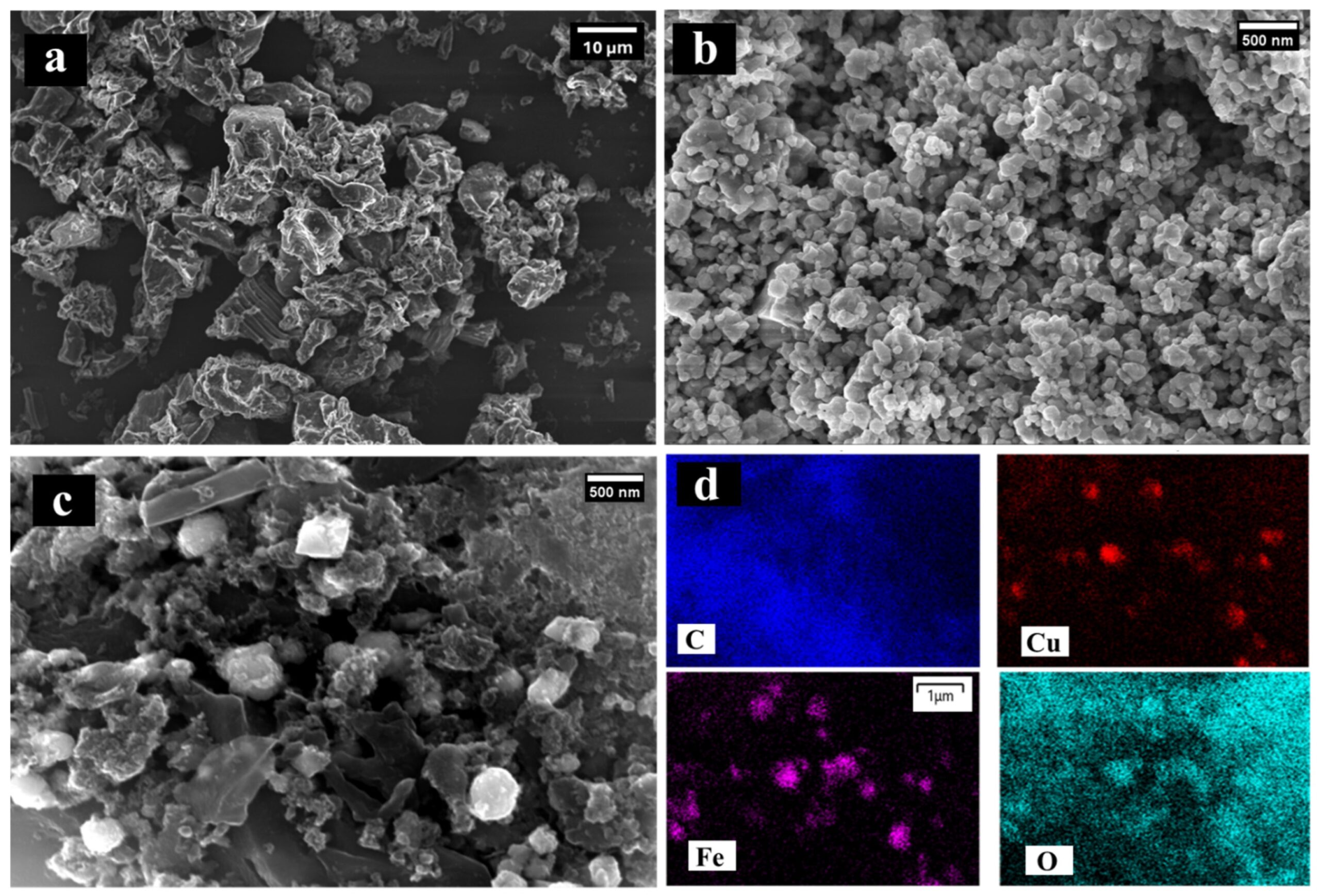
07. Tea Waste as a Sustainable Catalyst Support for Enhanced Removal of Contaminants of Emerging Concern via the Electro-Fenton Process: A Circular Economy Approach.
Moreno-Bermedo L.; Correa-Puerta J.; González-Fuentes C.; Escalona N.; Onfray C.; Thiam A.
Applied Sciences 2025; 15(3):1418
DOI: 10.3390/app15031418
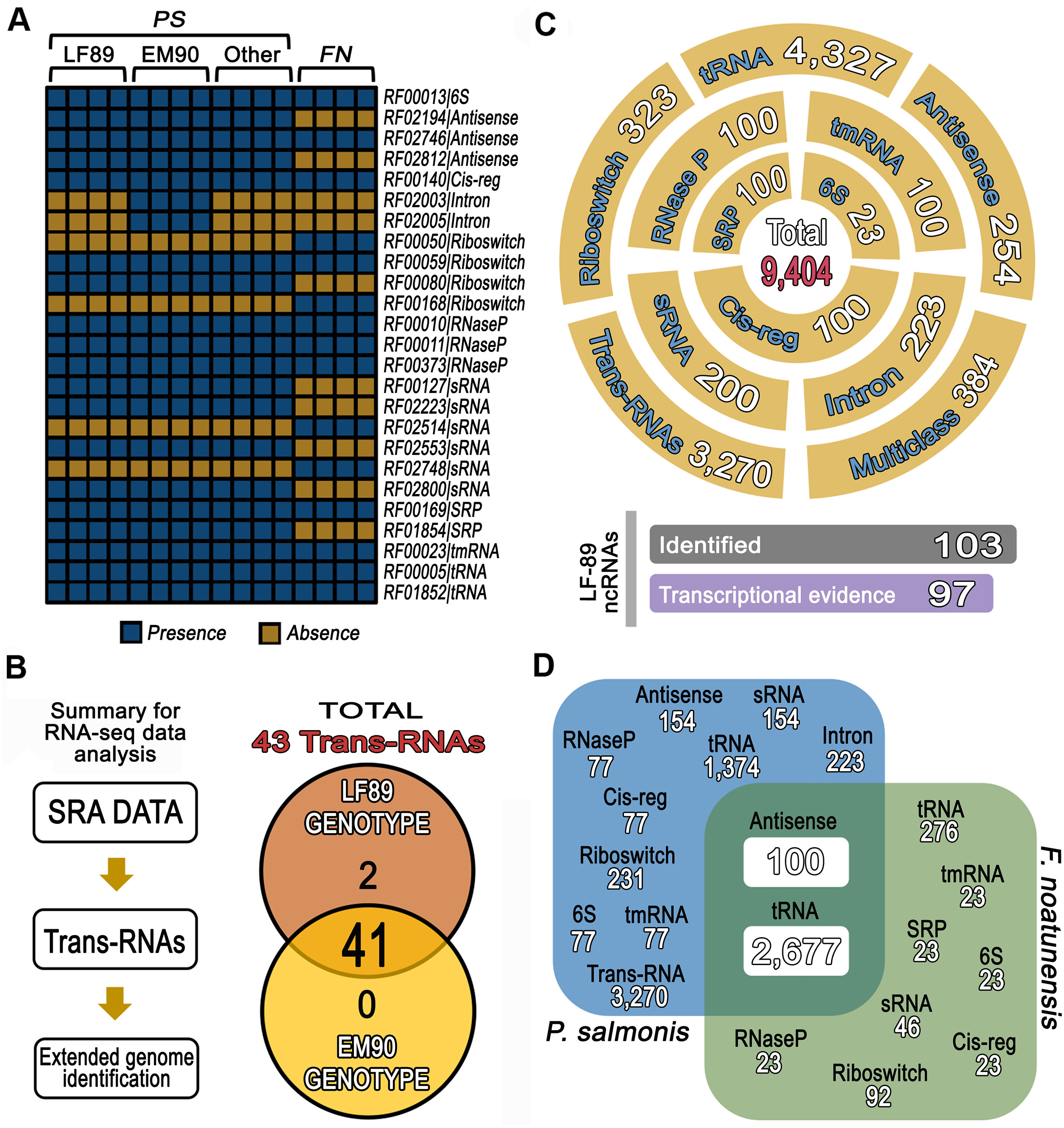
06. Exploring the regulatory landscape of non-coding RNAs in aquaculture bacterial pathogens: Piscirickettsia salmonis and Francisella noatunensis.
Aliaga-Tobar V.; Arias-Carrasco R.; Isla A.; Santander J.; Maracaja-Coutinho V.; Yañez A.J.
Aquaculture 594 (2025) 741356
05. Measuring the Impacts of Argentina’s Presidential Election Process in 2023 on the Stock Market Performance Using a Dynamic Event Study Methodology.
Sandoval Álamos E.E.; Molina Mac-Kay C.R.; Taipe Aquino E.O.
Risks 2025, 13(1), 1
04. Desafíos de una solidaridad pandémica en Chile: aportes para una teoría emergente.
Brugnoli J.A.R.; González S.I.
Revista De Psicología (2025) 43(1), 358-403.

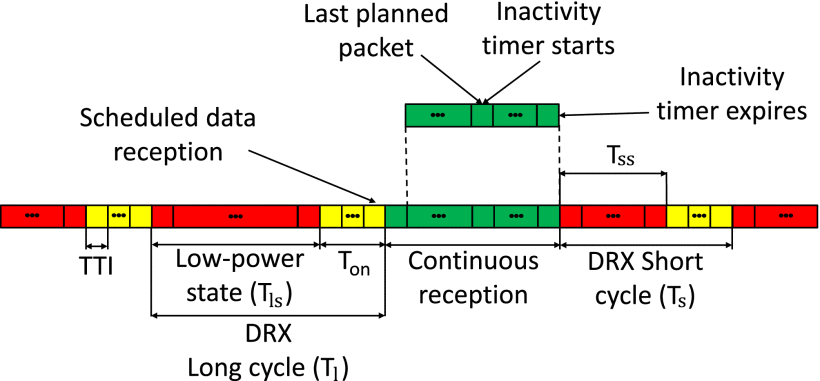
03. Discontinuous Reception With Adjustable Inactivity Timer for IIoT.
Ruíz-Guirola D.E.; Rodríguez-López C.A.; López O.L.A.; Montejo-Sánchez S.; Reguera V.A.; Latva-aho M.
IEEE Transactions on Industrial Informatics (2025) 21(1), 574–583
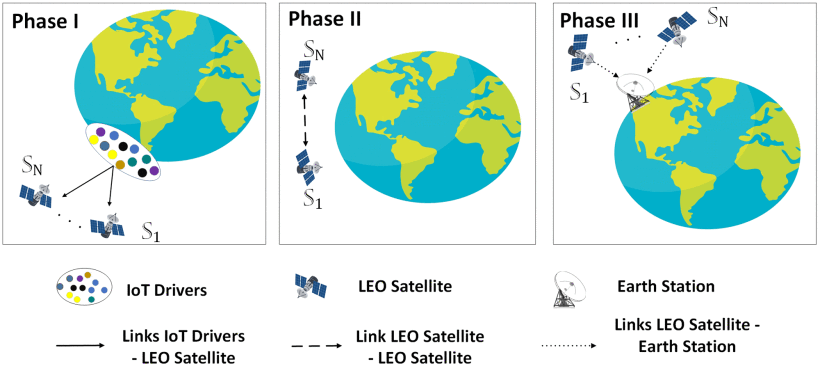
02. Improving Efficiency and Reliability in Information Offloading for LEO Satellite Networks by Intersatellite Communication Techniques.
Adanvo V.F.; Mafra S.; Montejo-Sanchez S.; Tondo F.A.; Souza R.D.
IEEE Transactions on Aerospace and Electronic Systems (2025) 61(2), 1336–1352
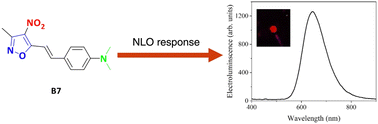
01. Optoelectronic and NLO potential of styryl-functionalized nitroisoxazoles for OLED technologies
Acosta-Quiroga K.; Polo-Cuadrado E.; Percino M.J.; Blanco-Acuña E.; Villaman D.; Pérez-Gutiérrez E.; Patiño M.E.; Alderete J.B.; Gonzalez R.; Saavedra-Olavarria J.; Pérez E.G.; Olea-Azar C.; Moncada-Basualto M.; Rojas-Peña C.
Journal of Materials Chemistry C, 2025.
DOI: 10.1039/D5TC00619H